






Your To-Do List Is Lying to You: A Better Way to Plan the Day
Planning Systems | September 16, 2026
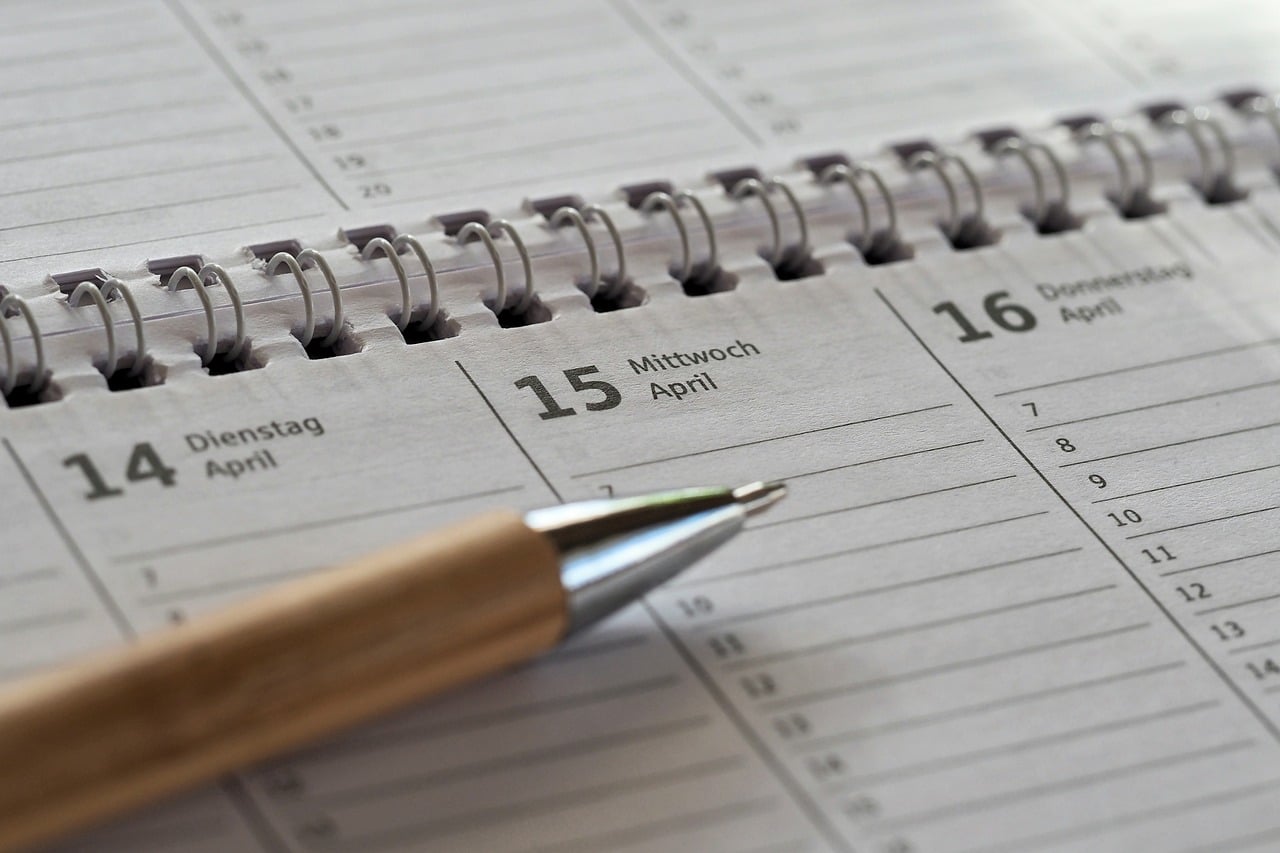
Open your task app right now. Count the items. If you're like most professionals, the number is somewhere between twenty and sixty, and every one of them looks equally urgent because they're all sitting in the same undifferentiated pile. That list isn't a plan. It's an anxiety generator with a checkbox interface.
The problem isn't that you have too much to do. It's that a flat list gives you no information about sequence, duration, energy cost, or consequence. Your brain has to re-evaluate every item every time you look at it, which is why you scroll past the same tasks for weeks while doing the easy ones over and over. The list isn't helping you decide; it's making the decision harder.
Separate the List From the Schedule
The first fix is to stop treating your task list as a schedule. A list is a capture tool. It's where everything goes so nothing gets lost. But a day is a container with a fixed number of hours, and you can only put so much inside it before it overflows. Keeping those two things separate lets each do its job.
Once a day, ideally the evening before, pull three to five items from the master list and commit them to tomorrow. Not ten. Not everything that's "important." Three to five, chosen because they move something real forward. Write them somewhere visible, and treat that short list as the actual plan. Everything else is a backlog, and backlogs are supposed to be long.
The second fix is to estimate duration honestly. Most people underestimate by a factor of two because they imagine the task going perfectly. Add a buffer to every estimate, and when you're wrong, note by how much. Within two weeks you'll have a personal correction factor, and your plans will stop collapsing by mid-morning.
Sort by Consequence, Not by Feeling
When you choose your three to five items, resist the pull of the urgent-feeling ones. Ask a different question: if this doesn't get done today, what actually happens? Some tasks have real consequences, a deadline, a person waiting, a decision that blocks others. Others just sit there generating guilt without any external cost. The first category earns a slot on tomorrow's list. The second category waits.
You can also sort by energy cost. Deep work, writing, analysis, and difficult conversations belong in your best hours. Administrative tasks, filing, and routine replies can fill the troughs. If you schedule a demanding task at 3 p.m. on a day when you're already drained, you've set yourself up to fail and then blamed yourself for it.
One more habit worth building: end each day by reviewing what actually happened. Did the plan survive contact with reality? If not, was it because the estimates were off, because something genuinely urgent appeared, or because you avoided the hardest item? Those are three different problems with three different fixes, and you can only tell them apart if you look.
A to-do list isn't inherently bad. It's just incomplete. Pair it with a short daily commitment, honest time estimates, and a consequence-based filter, and the same pile of work suddenly becomes something you can actually finish. The list stops lying, and you stop feeling behind.
-

-
The 90-Minute Focus Block: Why Your Best Work Fits in a Single Sitting
Oct 2, 2026Boundaries & Focus

-


-
The Art of the Graceful No: Protecting Your Calendar Without Burning Bridges
Oct 2, 2026Time Management

-

-

Velocity Notes

Every interruption carries a hidden tax, and the fix isn't more discipline but better structure.